
The Novel That Built a City
Picture this: A broke, half-educated preacher wanders into the Missouri backwoods to save his health and accidentally invents a tourism industry.
In 1907, Harold Bell Wright published The Shepherd of the Hills, a sentimental little novel about a mysterious stranger who shows up in the Ozark hill country and quietly puts a broken family back together. It became one of the best-selling novels in American history, turned its author into the first novelist to make a million dollars from fiction, launched John Wayne’s career in color film, and built a city out of raw hillside.
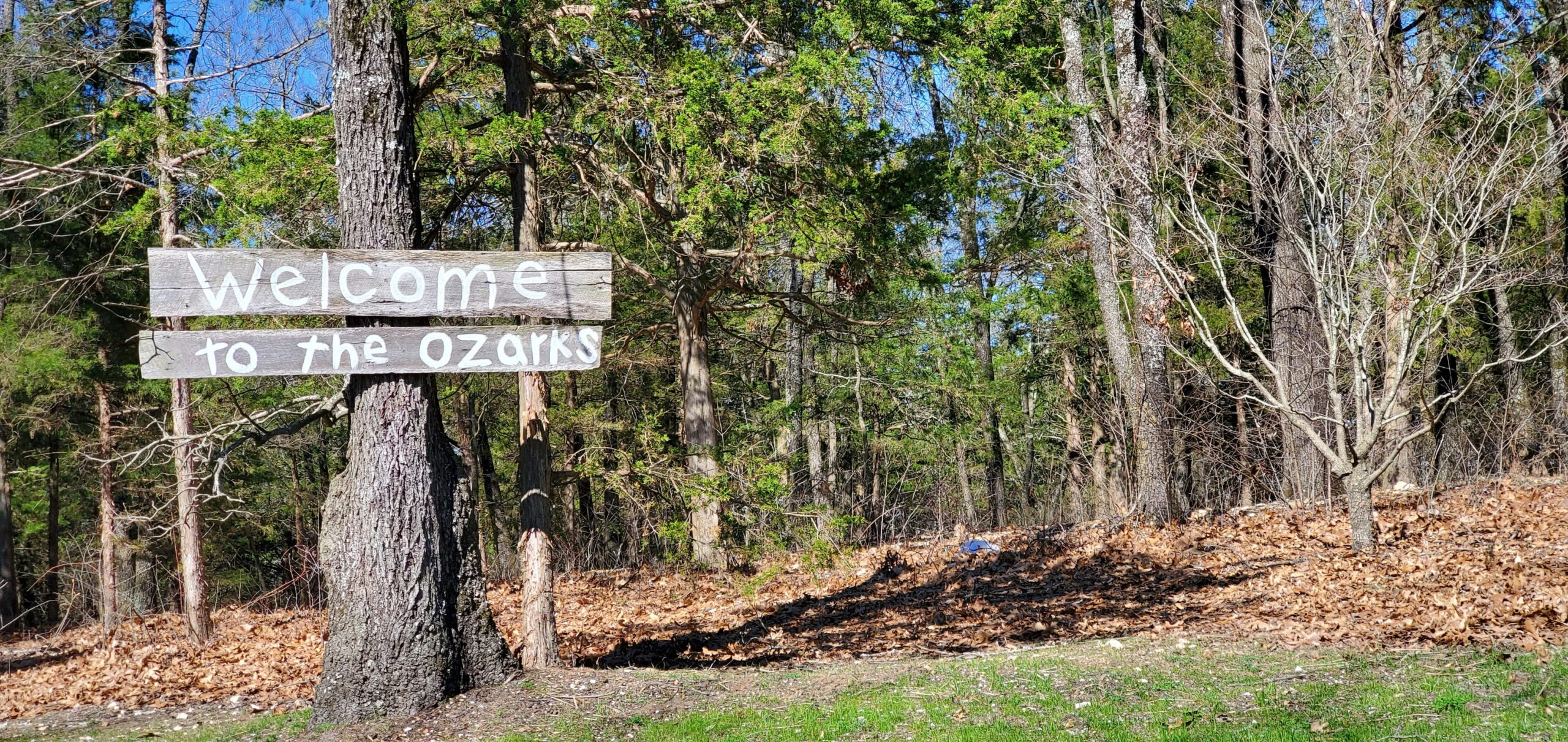
Photo by Oyin Enoch on Unsplash
The Preacher Who Couldn't Stop Selling Books
Wright’s mother died young. His father vanished. He grew up bouncing between relatives with barely any schooling, worked as a house painter, and then became a small-town Christian minister. Bad health sent him to the Ozarks in 1898; his doctor told him to find a gentler climate. He camped near a homesteading family, the Rosses, climbed the same ridge his characters would later climb, and wrote about the way hill people actually talked. What started as a serial for his own congregation became a novel. The novel became a phenomenon.
The book had sold two million copies by 1918. It’s sometimes cited as the first American novel to cross a million copies sold, period; translated into at least seven languages. Between this book and eighteen others, Wright moved more than ten million copies in his time and became, for a stretch, the best-selling writer in America.
Critics barely noticed him. They still barely do
He Wrote a Book. Tourists Built a Boomtown.
Within three years of publication, strangers started showing up in the White River hills to find the actual places from the book and meet the people Wright had turned into characters. Entrepreneurs moved fast. Boats started running under the name “Sammy Lane.” A taxi company branded itself after the novel. A lake was built. A fictional shepherd’s cabin became a destination people would travel hundreds of miles to stand in front of.
That’s Branson, Missouri. The theaters, the country music, the millions of visitors a year — all of it traces back to sightseers chasing scenes from a single novel. An outdoor stage adaptation ran on the original homestead grounds continuously from 1960 to 2013, fifty-three years of nightly performances, real horses, and a cabin that burned down every single show.
Then Hollywood Came Calling — Four Times
The story was filmed four separate times. The 1941 version starred a young John Wayne, fresh off Stagecoach, as a hate-filled Ozark moonshiner. It just so happened to also be his first movie shot in color. It also paired him for the first time with director Henry Hathaway, a partnership that would go on to make True Grit and hand Wayne his only Oscar.
Real Ozark residents hated the film. They thought it painted them as backward and superstitious, and newspapers covered the backlash across the country.
A New Telling, Same Bones
Wright wrote something true enough that people couldn’t stop reading it. Then the world moved on and the book got left behind in the century that made it.
But, as happens, language has changed. Storytelling has changed. New authors obscured old authors to the point of rendering them obsolete, nearly entirely forgotten. Their work started to feel like homework rather than pleasure reading — if anyone takes the time to read them anymore at all. Once one of the most famous writers in America, Wright’s name is one precious few have even heard of today.
I have a theory: Times change, but people don’t. Wright’s stories and themes are universal. They are as relevant to the lives of people today as they were 119 years ago when he first put pen to paper and gave us the book that defined his life and sparked a modern city.
I love the story he wrote and I decided to update it for a new generation. In the next few weeks I will release my own rewrite of The Shepherd of the Hills — same characters, same story, same hills — told in a modern storytelling style built for how people read today. Wright’s story. My novel. New readers will enjoy the exact experience 1907 readers had: a story about a broken family and a stranger who might fix it; told so well you won’t be able to put it down.
I believe strongly that one of the definitive purposes of the public domain is to create a path for modern storytellers to retell forgotten stories worth experiencing. The Shepherd of the Hills is just such a story. It built a city once. Let’s see what it does with a new century of readers. Get your ducats ready!
Sev